CARB Era EVs
California Air Resources Board CARB 1990's zero-emission rules pushed several automakers to build real production electric vehicles. These were low-volume, often lease-only programs, but they established battery chemistries, charging systems, thermal management ideas, and customer expectations that modern EVs still build on.
The quick-spec notes below focus on major North American CARB-era EVs from the late 1990s. Ranges and battery offerings varied by model year and chemistry, so these are concise historical summaries rather than trim-by-trim spec sheets.
GM EV1
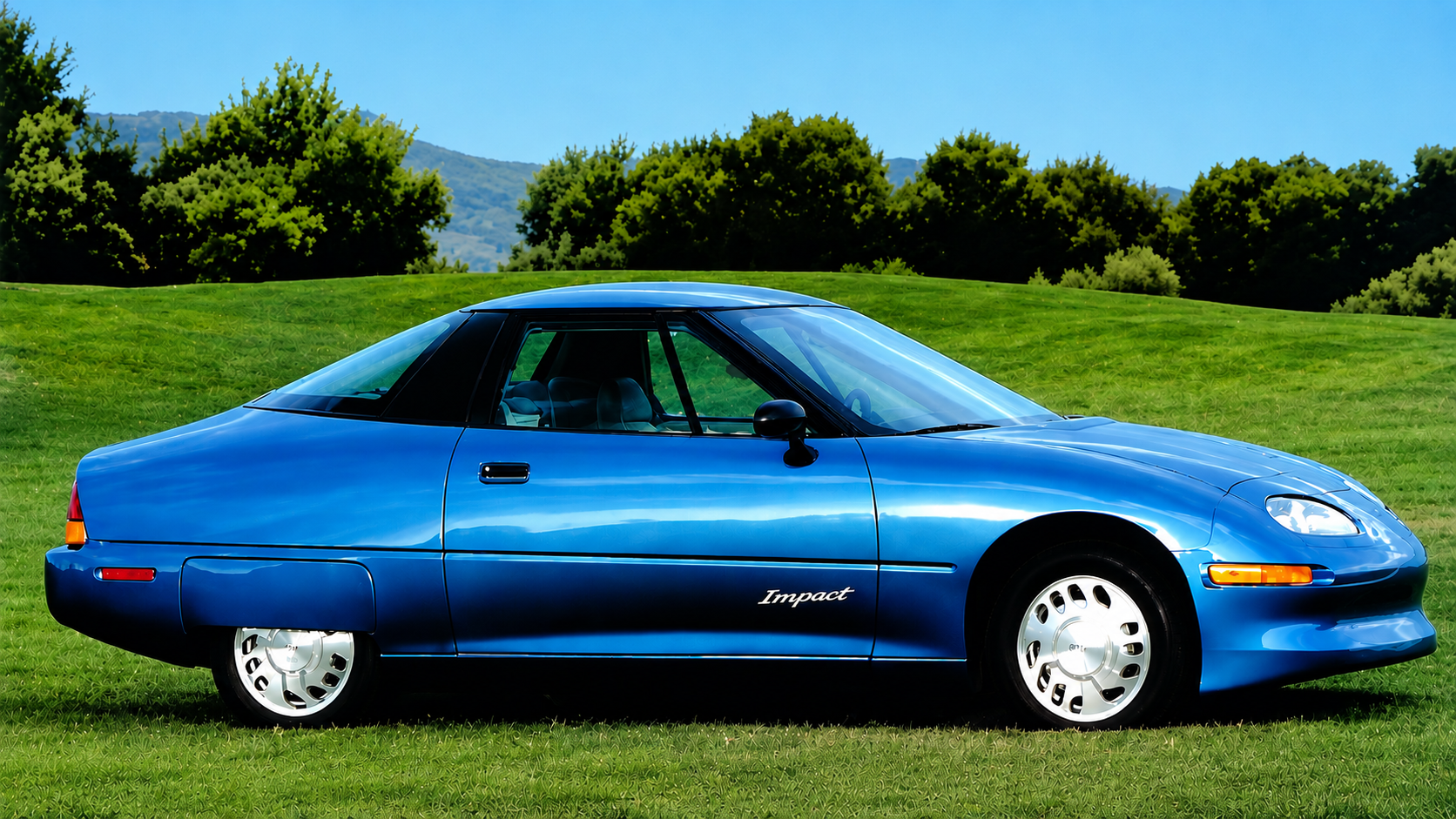
- Years: 1996-1999 model program, lease-only
- Body style: purpose-built two-seat coupe
- Battery: lead-acid first, later NiMH in Gen II cars
- Range: roughly 60-100 miles on early cars, higher on later NiMH cars
- Why it mattered: the most ambitious clean-sheet EV of the period, directly descended from the Impact concept
Chevrolet S-10 EV
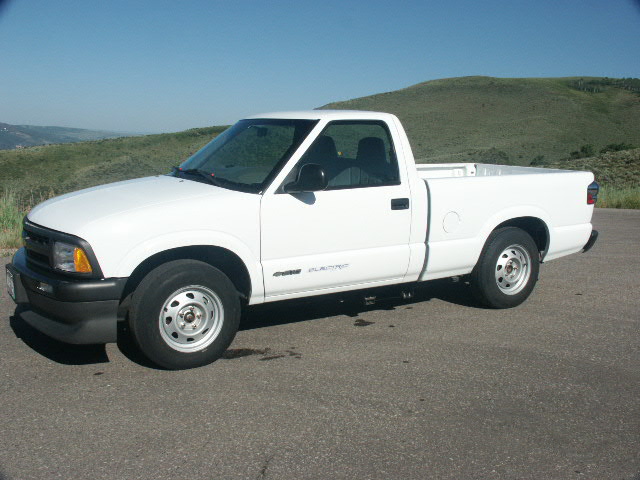
- Years: 1997-1998
- Body style: compact pickup
- Battery: lead-acid in 1997, NiMH in later trucks
- Powertrain: AC induction motor derived from GM's EV program
- Why it mattered: one of the few factory EV pickups, and a practical work-truck counterpart to the EV1
Toyota RAV4 EV
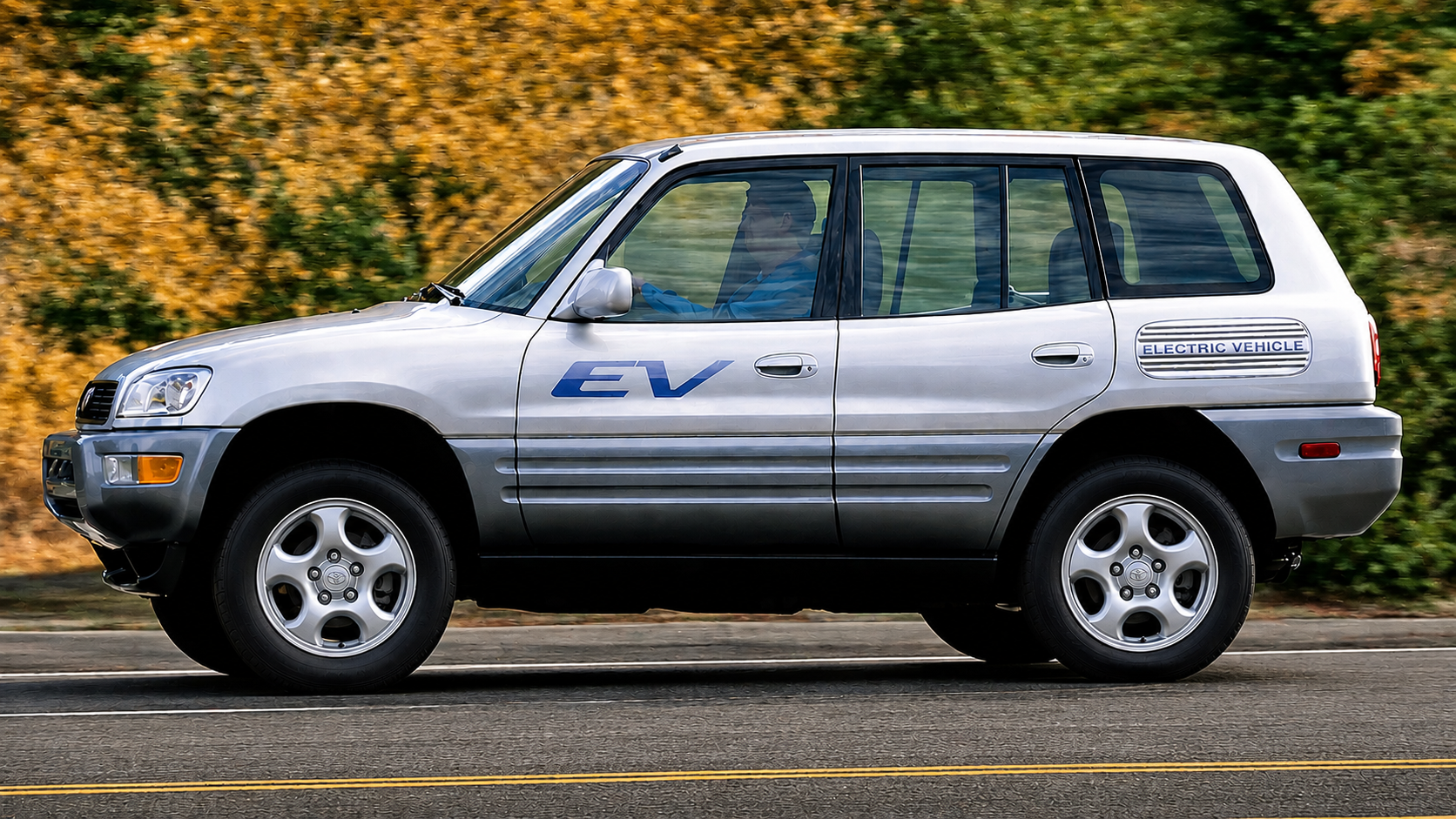
- Years: 1997-2003 first generation program
- Body style: compact SUV
- Battery: sealed NiMH
- Official Japanese-market spec: about 215 km per charge, 125 km/h top speed, about 6-hour recharge on 200V
- Why it mattered: one of the most durable and practical CARB-era EVs, with a real SUV body and strong owner loyalty
AC Propulsions tZero
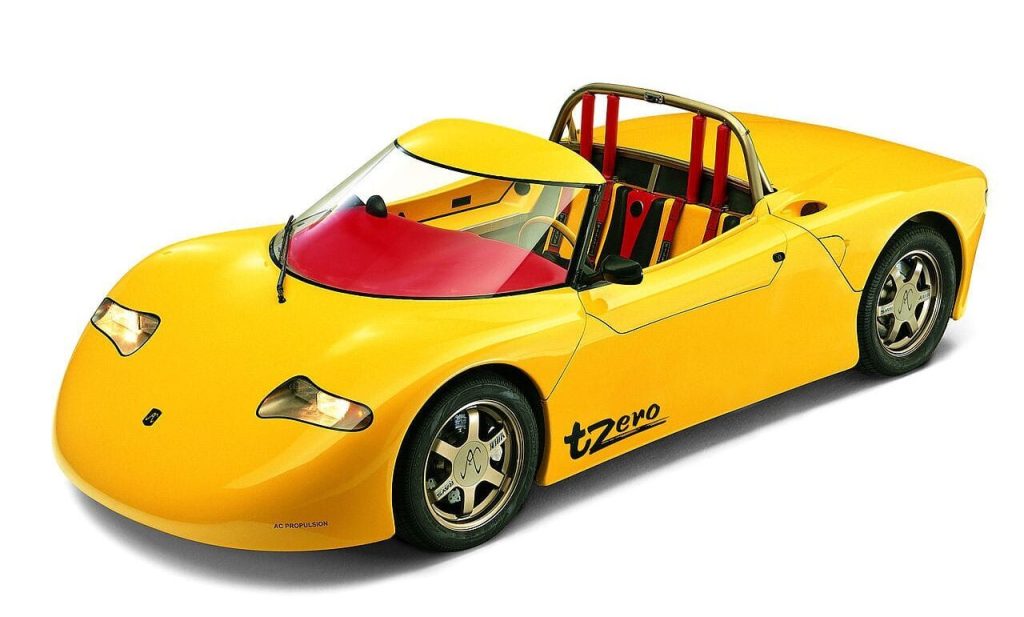
- Years: 1997-2003
- Body style: Sports Car
- Battery: PbA and Lithium
- Why it mattered: Built in 1997 by Alan Cocconi's AC Propulsion tZero directly inspired the Tesla Roadster. Cocconi "Godfather of modern electric vehicles" developed the drive train for the 1987 GM Sunraycer, Aerovironment Impact for GM, and GM Impact Proof of Concept cars which became the EV1. In 1987 Sunraycer won the Australian Solar Challenge by 2 days!
Honda EV Plus
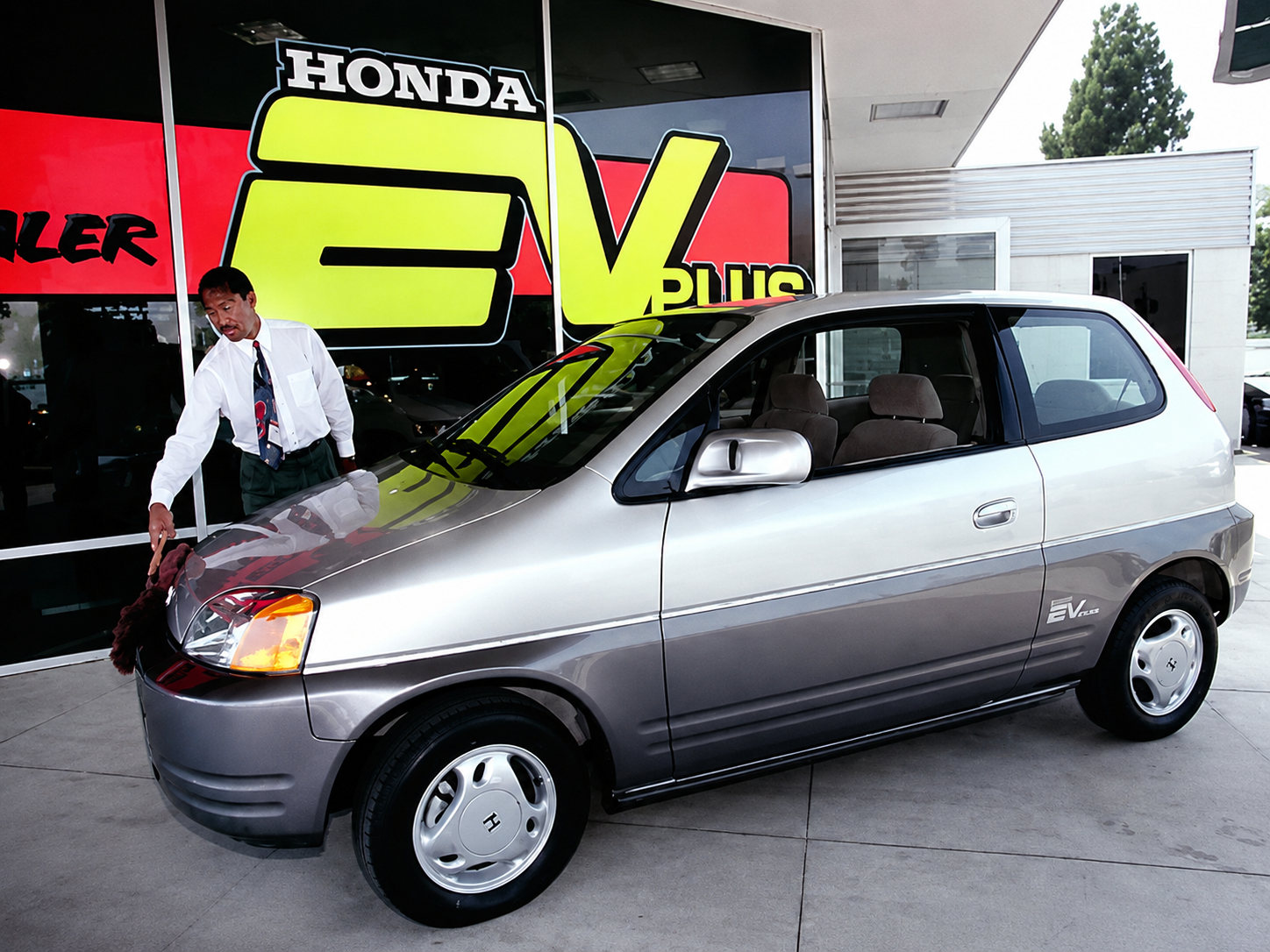
- Years: 1997-1999
- Body style: purpose-built hatchback
- Battery: NiMH
- Official Honda figure: 210 km per charge in Japan's 10.15 test mode
- Why it mattered: Honda's first full-production EV and an early showcase for non-lead-acid battery packaging
Ford Ranger EV
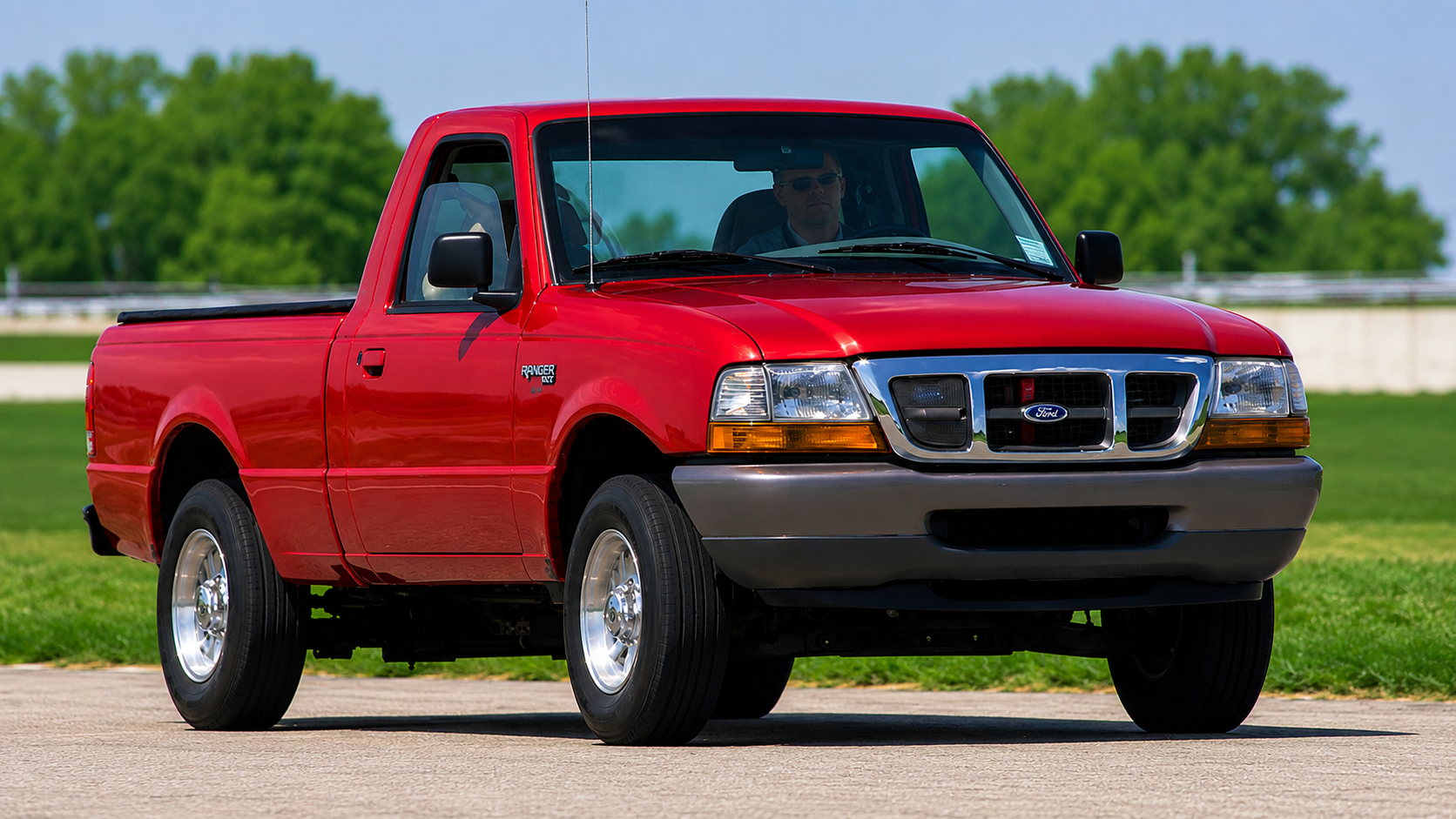
- Years: 1998-2002
- Body style: compact pickup
- Battery: lead-acid first, later NiMH versions
- Typical period range: roughly 50-85 miles depending on battery pack and duty cycle
- Why it mattered: another rare factory EV truck, aimed more squarely at fleet and utility use
Nissan Altra EV
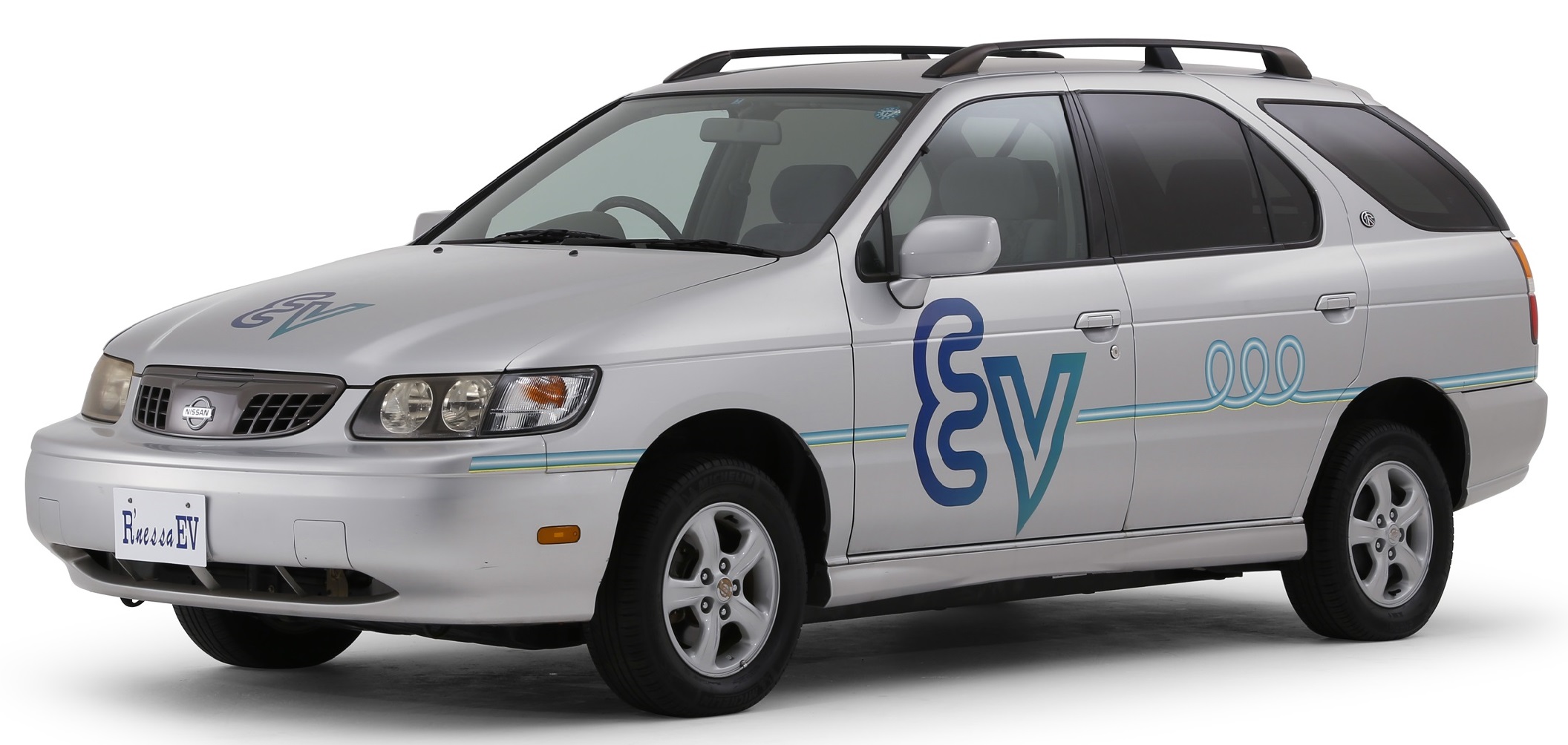
- Years: 1998-2001
- Body style: small wagon/minivan
- Battery: lithium-ion
- Claimed range: about 120 miles
- Why it mattered: among the first production EVs to use lithium-ion batteries, years before lithium became the industry standard. Dveloped in 1 year for the 1991 Tokyo Motor Show, after the 1990 GM Impact (with the 1991 Nissan FEV EV Concept).
Chrysler EPIC
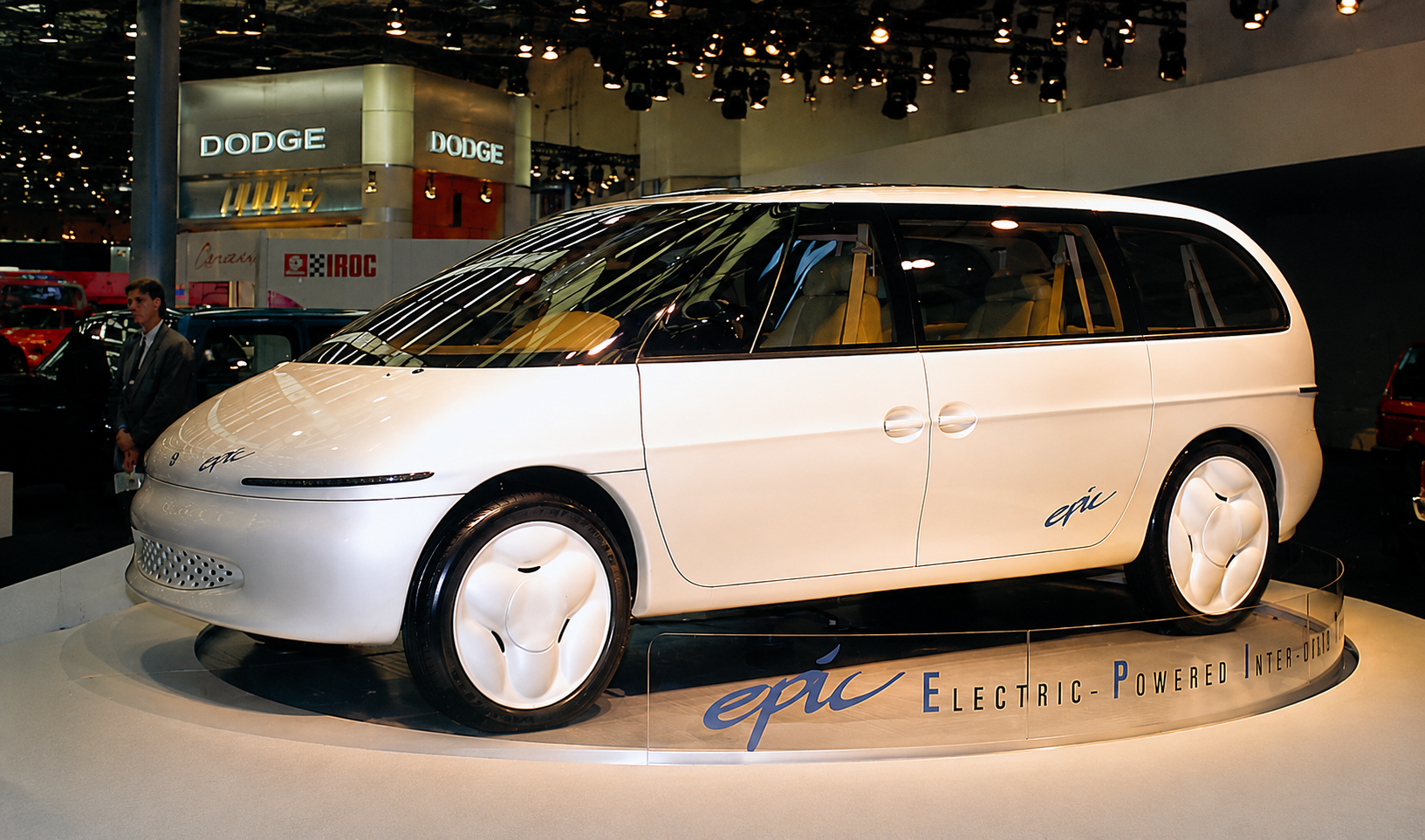
- Years: late-1990s fleet and lease program
- Body style: minivan
- Battery: offered in advanced battery configurations during its program life
- Role: compliance-oriented people mover rather than halo car
- Why it mattered: showed that even family-vehicle formats were being tested during the CARB-era EV push