EV Bones 2003 - 2010
This EV Bones site archive is preserved for historical reference only, and is NOT a active business website.
No services are currently offered.
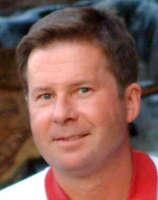
RIP Jeff Thomas
This EV Bones site archive is preserved for historical reference only, and is NOT a active business website.
No services are currently offered.
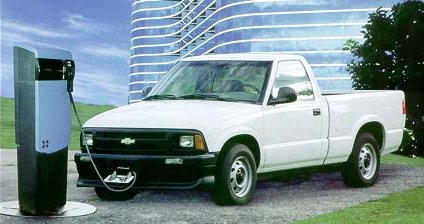
 Professional Service and Support of the Chevrolet S-10EV, Battery Electric Vehicle. EV Bones LLC is owned and operated by an environmentally sensitive engineer. I drive an S-10EV daily!
An Electric
Vehicle can satisfy 90% of the average driver's needs, and know your
EV is powered
entirely
by locally generated energy. EV Bones LLC was
established
in 2003 to deliver comprehensive long term support of the Chevrolet
S-10EV's trucks to individual owners. Southern
California Edison
has published comprehensive reports detailing the VRLA, and NiMH
S-10EV.
These are PDF files at 1.8MB each. EV Bones LLC is located at 100 W. Hoover Avenue Mesa, Arizona 85210 Visitors by appointment. Privacy Policy |